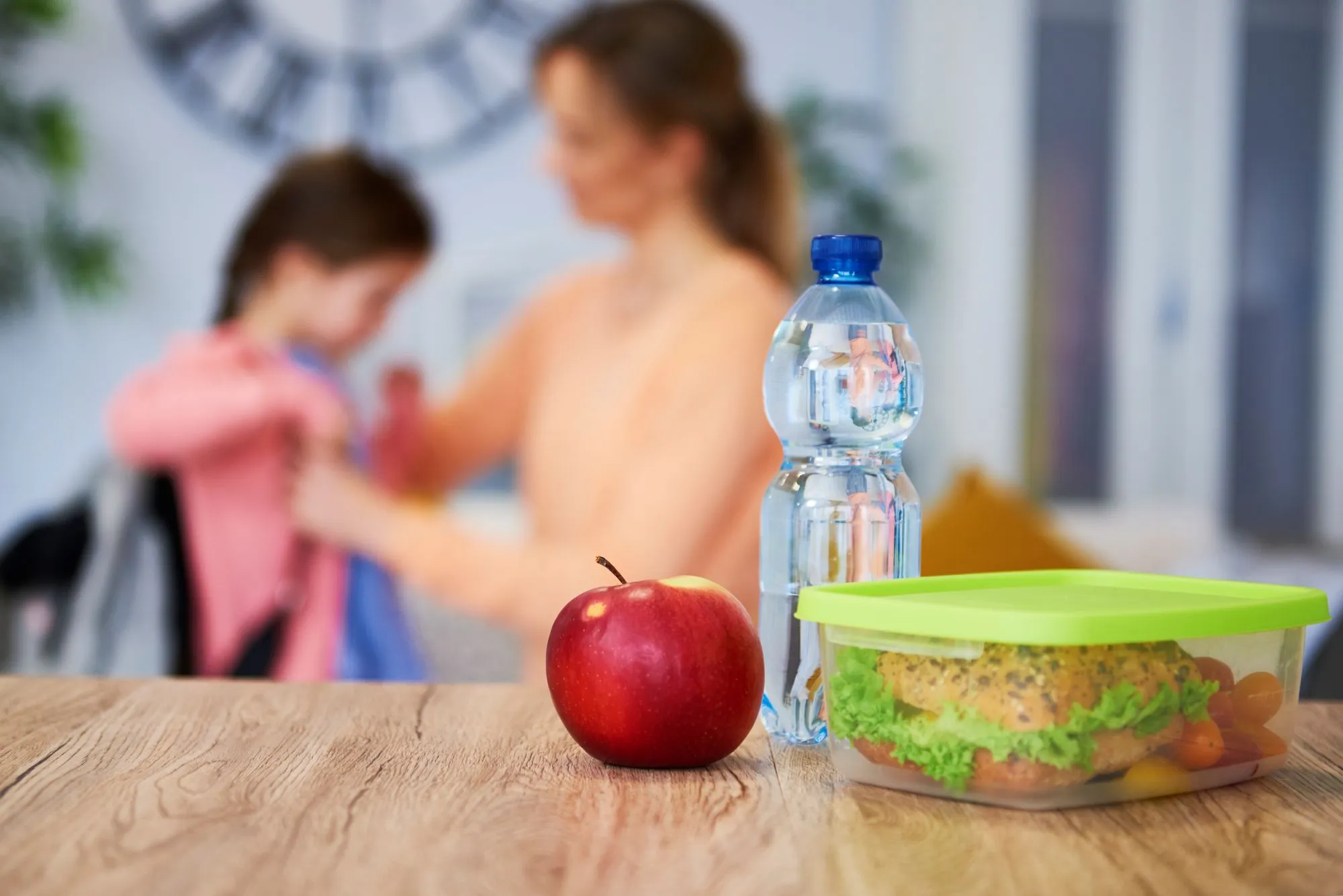
The National School Lunch Program vitally supports students’ health and academic success. Overall, in the U.S., this essential program is managed by the Department of Education in partnership with the USDA. Significantly, these programs vary across states, but the main eligibility criteria remain the same. Therefore, these federally managed school meal programs provide balanced, low-cost lunches to eligible students in public and private schools.
As we move through 2026, the NSLP in various states continues to adapt to new dietary science and economic shifts. This guide helps elaborate on the essential guidelines, eligibility requirements, and the multiple benefits that students, families, and schools can avail.
What is the National School Lunch Program?
The National School Lunch Program for the states is a federal-level program funded by the government. The program is structured overall to provide assistance to low-income households. In addition, it assists them in paying their children’s school meal expenses in different public and private institutions.
These lunch programs at schools are also administered by the Department of Education. Moreover, the program aims to provide adequate nutrition through meals to the children during their lunch period at school. However, varying school food authorities opt for multiple conditions regarding the type of food to serve.
Core NSLP Guidelines and Nutrition Standards
The National School Lunch Program isn’t just about providing calories, but it’s about providing the right calories. Therefore, parents are instructed align with the Dietary Guidelines for Americans to receive the significant federal reimbursement.
The Reimbursable Meal Pattern
For a school to be a part of the free lunch program offered by the government, the lunch tray must contain specific components. Essentially, a single student is generally offered five food groups, out of which selecting three is mandatory.
Fruits
For the free lunch fruit tray, you must select fruits from Fresh, frozen, canned in juice, or dried.
Vegetables
School meals must offer a variety of subgroups weekly, including dark green, red/orange, and legumes (beans/peas).
Grains
At least 80% of the grains offered must be whole-grain-rich according to the guidelines of NSLP.
Meats/Meat Alternates
Lean proteins like poultry, fish, cheese, or plant-based proteins like tofu and beans must also be part of the lunch.
Fluid Milk
Schools cafeteria must offer at least two varieties (e.g., fat-free or 1% low-fat). One must be unflavored.
New 2026 Sugar and Sodium Limits
For the National School Lunch Program, the USDA is currently working to maintain stricter standards to combat childhood obesity and hypertension.
Added Sugars
Starting in the 2026 school year, new limits apply to specific products:
- For cereal, sugar must be less than 6g per dry ounce.
- For yogurt, sugar must be less than 12g.
- For flavored milk, it must not be more than 10g.
Sodium
In terms of the free school lunch program, schools are currently operating under “Sodium Target 1A”, with further reductions planned to ensure children aren’t consuming excessive salt.
The NSLP Requirements for Eligibility: How Families Qualify
Access to the National School Lunch Program is determined by household size and income, though several categorical factors. Significantly, these factors can grant you and your child automatic approval for the program.
Income-Based Eligibility
The following table shows the income-based eligibility criteria in terms of the National School Lunch Program requirements:
Category | Income Variations | Cost for Students |
Free Meals | Provided to those at or below 130% of the Federal Poverty Level | $0.00 |
Reduced-Price | Provided to individuals between 130% and 185% of the Poverty Level | Max $0.40 |
Paid | Over 185% of Poverty Level | Set by District (subsidized) |
Automatic (Categorical) Eligibility
Children are automatically eligible for healthy lunches in schools, regardless of income, if they participate in:
- SNAP (Supplemental Nutrition Assistance Program)
- TANF (Temporary Assistance for Needy Families)
- FDPIR (Food Distribution Program on Indian Reservations)
- Other categories include children who are homeless, migrant, runaway, or in foster care.
The Community Eligibility Provision (CEP)
In high-poverty areas, the CEP of nutrition in schools program allows entire schools or districts to serve breakfast and lunch to all students at no cost. Essentially, this is regardless of individual family income, which further helps reduce administrative paperwork and eliminates the stigma sometimes associated with free lunch.
Key Benefits of the National Lunch Program
The impact of the National School Lunch Program is far-reaching beyond the school cafeteria. Research consistently shows that well-nourished children perform better in every metric.
Academic Performance and Cognitive Function Through Lunch Programs for Schools
Hunger is a massive barrier to learning. Studies indicate that students who participate in American School Lunch programs have:
- Higher test scores in math and reading.
- Improved concentration and memory.
- Fewer behavioral outbursts and disciplinary issues.
Physical and Mental Health Through Free Lunch Programs
By providing one-third of the daily recommended dietary allowance for protein, calcium, iron, and vitamins, the free school meals act as a public health intervention.
Reduced Food Insecurity
For many children, having lunch in American schools is the most nutritious (or only) meal of the day.
Obesity Prevention
By emphasizing fruits, vegetables, and whole grains while limiting fats and sugars, public schools lunch are often healthier than lunches brought from home.
Mental Well-being
By following the National School Lunch Act, you can help reduce stress and anxiety in children, contributing to a more stable emotional environment.
Economic Support for Families
The NSLP provides significant financial relief. For a family with multiple children, receiving free or reduced-price meals can save hundreds of dollars per month in grocery costs. Even for families with good incomes, the federal subsidy ensures the price remains lower than a comparable meal at a restaurant or grocery store.
The Arkansas NSBL Program Offering Balanced And Nutritious Meals For Your Children |
Common Misconceptions About the NSLP
The following are a few misconceptions about the National School Lunch Program:
- Most people think that the food is all processed. However, according to the National School Lunch act 1946, many schools now participate in “Farm to School” initiatives, sourcing fresh produce from local farmers.
- Most parents think that the NSLP is only for poor children. You must know that every child at a participating school can buy an NSLP meal. Because the program is subsidized, even the “full price” is a bargain compared to the private market.
In The End
The NSLP is one of the beneficial investments in the future. By ensuring that every child can get the opportunity to enjoy a hot, nutritious meal, we level the playing field for education and health. Further, when we describe the National School Lunch Program, know that higher participation rates often lead to more funding and better food quality for all students. Therefore, you must check your school district’s website today for the 2026 application or to view this month’s menu.
Why Choose Benefits by State?
Benefits By State ensures beneficial state programs for children are highlighted. We believe enrolling in these programs also assists families in the better upbringing of their children. Therefore, we prioritize making their eligibility easy for low-income households as well.